Why a Professional Austin Roof Inspection Saves Money and Stress
Understanding the Value of a Roof Inspection in Austin
Living in Austin means dealing with a mix of intense sun, sudden hailstorms, and occasional high winds. Over the years, I have seen homeowners overlook small issues until they become expensive emergencies. A thorough austin roof inspection catches those problems early. It is not about finding faults for the sake of it. It is about understanding what your roof needs to last through another Texas summer or winter freeze.
I remember helping a friend whose skylight had been leaking for months. The water had soaked the underlayment and rotted part of the roof deck. What could have been a simple sealant fix turned into a full deck replacement. That is the kind of thing a proper inspection prevents. In Austin, where weather can shift from drought to downpour in a day, knowing the state of your roof is practical sense.
What a Detailed Roof Inspection Covers
A good inspection goes beyond a quick glance from the ground. It includes checking every component that keeps water out and structure sound. For a typical Austin home, that means examining asphalt shingles, tile roofing, or metal roofing depending on what you have. Each material behaves differently under the same sun and rain.
Inspectors look at the flashing around chimneys and vents because those are common leak points. They check gutters and downspouts for clogs or damage. A blocked downspout can send water back under the shingles. They also inspect the soffit and fascia for rot or pest damage. These edges may seem minor, but they protect the roof's edge from wind uplift.
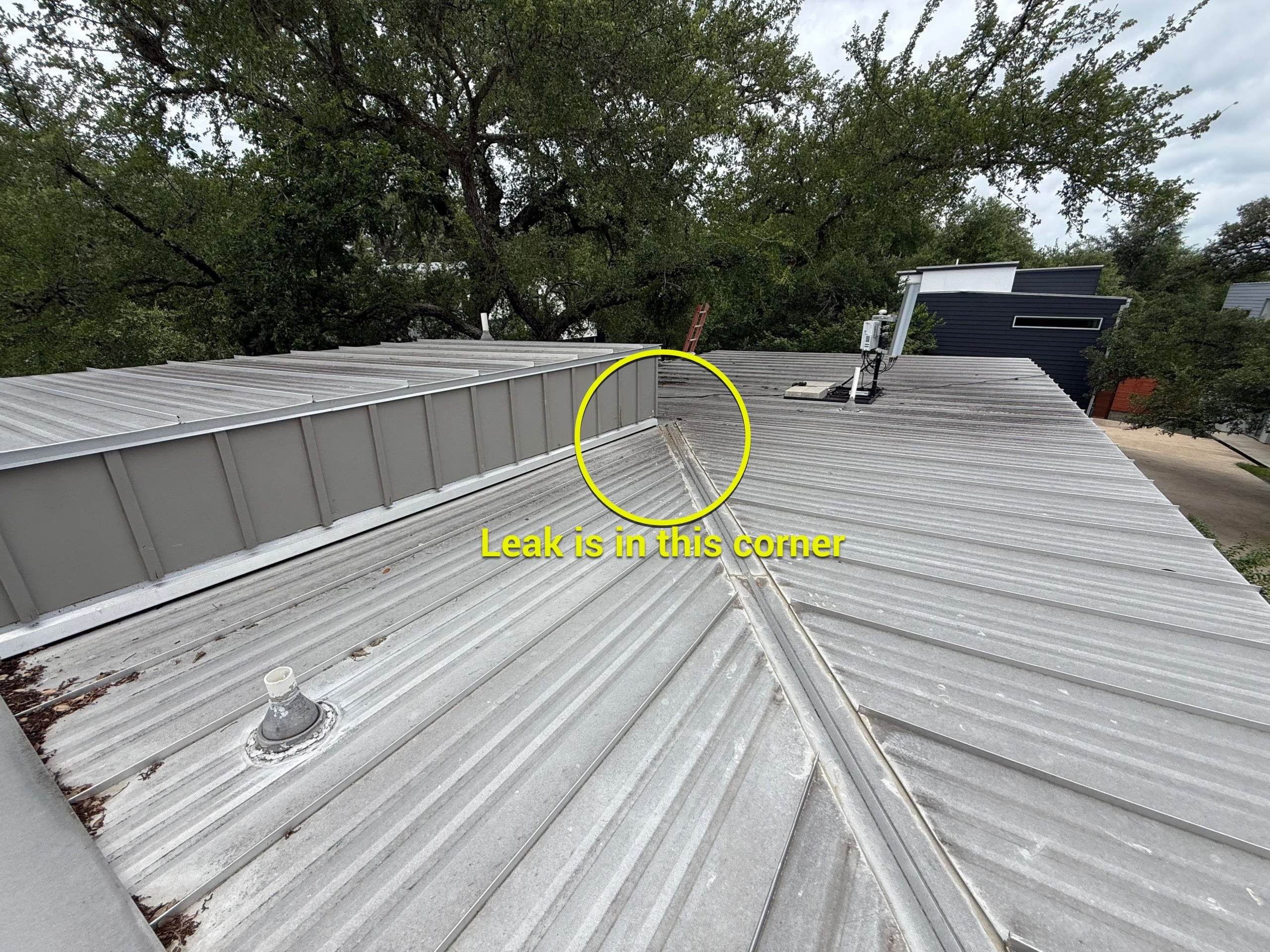
Flat roofs are common on modern Austin homes and commercial buildings. They have their own issues, like ponding water or failed seams. An inspection of a flat roof will check the membrane and ensure drainage is clear. For any roof type, the underlayment is a critical layer. If it is compromised, even perfect shingles will not keep water out.
Tools of the Trade: From Thermal Imaging to Drones
Modern inspectors have tools that make the process more accurate and less invasive. Thermal imaging is one of the best for leak detection. It reveals temperature differences that indicate hidden moisture inside the roof deck or insulation. I have seen thermal imaging catch a slow leak around a skylight that was invisible from above or below.
Drone inspection is another game-changer for steep roofs or multi-story homes. It lets an inspector see every shingle and flashing detail without balancing on a ladder. Drones are especially useful for metal roofing, where a loose seam can be hard to spot from the ground. They also help identify hail damage that might not be obvious until a storm hits again.
These tools do not replace a hands-on walk, but they add a layer of certainty. A full austin roof inspection often combines both methods for a complete picture.
Signs That Point to a Needed Inspection
You do not have to wait for a leak. Look for these clues that it is time to schedule an inspection:
- Missing or curled shingles after a windstorm.
- Dark patches or staining on ceilings or walls.
- Granules from asphalt shingles collecting in gutters.
- Visible sagging or dips in the roofline.
- Moss or algae growth, especially in shaded sections.
Moss removal is a separate service, but an inspector can tell you if the growth is cosmetic or if it is trapping moisture against the roof. In Austin's humid periods, moss can accelerate wear on tile roofing and asphalt shingles alike.
Common Problems Found During Inspections
Over the years, I have seen the same issues show up again and again. Ice dams are rare in Austin, but not impossible during a hard freeze. More common are wind uplift problems, where a strong gust lifts shingles and tears the seal. After a big storm, it is smart to get a drone inspection before the next rain hits.
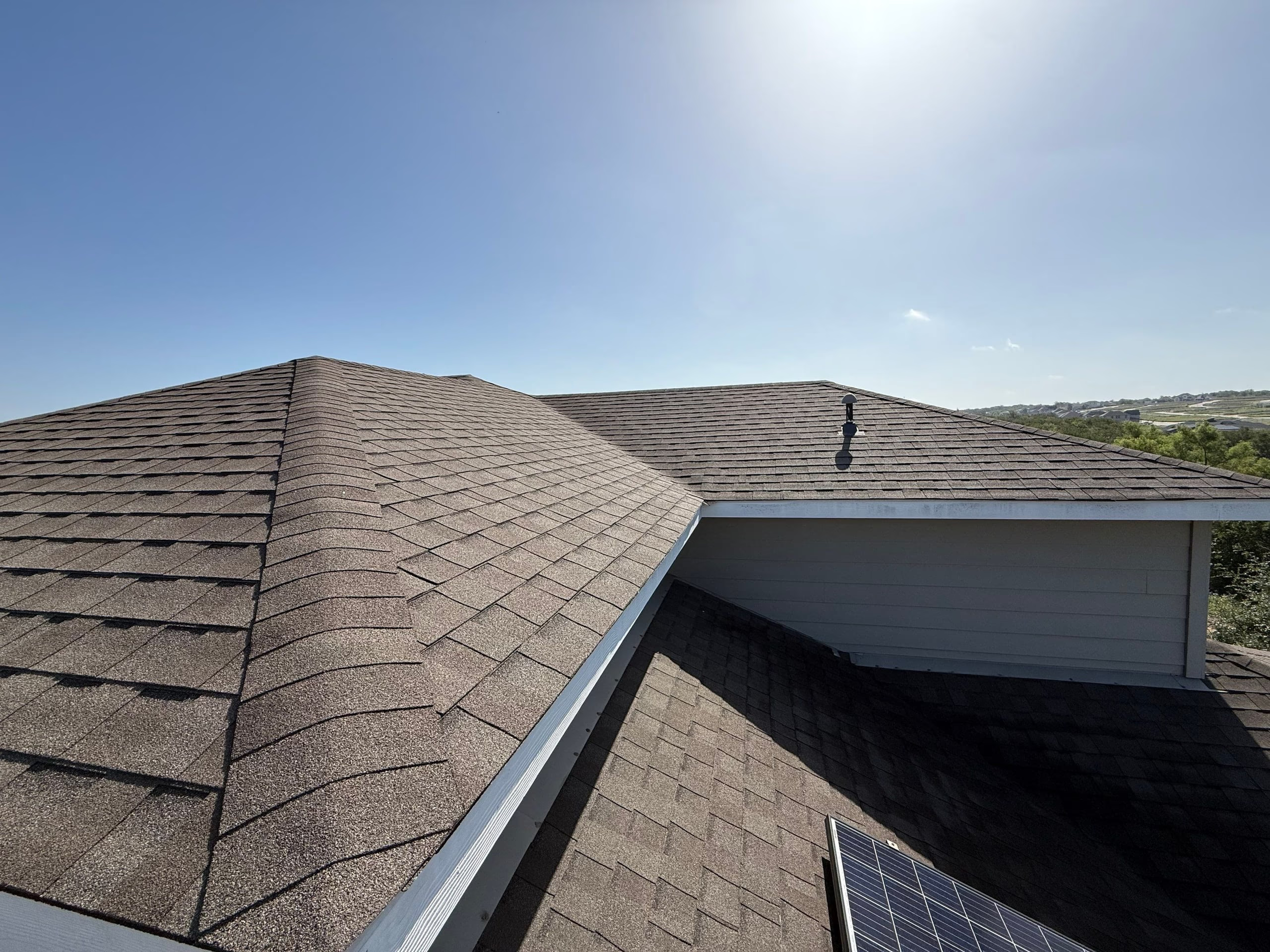
Hail damage is a major concern. Even small hail can leave dimples in metal roofing or crack tile roofing. Those cracks let water into the underlayment. An inspector trained in leak detection will find every entry point. They also check the flashing around skylights and vents. Flashing that has pulled away needs immediate resealing.
Gutters and downspouts often get overlooked. A gutter full of debris sends water cascading over the side, which can rot the fascia and soffit. The inspector will note if downspouts are clear and if the water flows away from the foundation. That kind of simple check saves big repairs later.
Safety and Professional Standards
Roof inspection work involves risk. Reputable companies follow OSHA guidelines to keep their workers safe. That means proper harnesses, ladder stability, and avoiding work in wet or windy conditions. When you hire a professional, you are paying for their expertise and their safety protocols. It is not a job for a weekend warrior with a ladder.
The best inspectors also have insurance and bonding. That protects you if something goes wrong. Ask about their process before they start. A thorough inspection should include a written report with photos and a clear explanation of any issues found. That report becomes your plan for repairs or maintenance.
Making the Most of Your Inspection
Once the inspection is done, you will have a list of items to address. Some may be urgent, like a leaking skylight or damaged flashing. Others are routine, like cleaning gutters or scheduling moss removal. Do not let the list overwhelm you. A good inspector will help you prioritize based on risk and cost.
If the inspection reveals the need for a new roof, it also gives you a clear starting point for getting estimates. Many companies offer free evaluations and honest pricing. That is helpful when you are deciding between a repair and a full replacement. The inspection report gives you the facts you need to make that decision without pressure.
Scheduling a regular austin roof inspection - once a year and after any major storm - is a small investment that protects your home. Roofs are expensive to replace. Catching problems early keeps them from becoming emergencies. It also gives you peace of mind when the next storm rolls in.
Final Thoughts
Whether you have asphalt shingles, tile roofing, metal roofing, or a flat roof, the basics are the same. Water is your roof's enemy. An inspection looks for every possible way water could get in. It checks the underlayment, the roof deck, the flashing, the skylight, the gutters, and the downspouts. It uses thermal imaging and drone inspection to find hidden damage. And it follows OSHA standards to keep everyone safe.
If you live in Austin and cannot remember the last time your roof was checked, it is time to make the call. A professional inspection is not an expense. It is a way to avoid a much larger one. And knowing your roof is sound is worth the few hours it takes to get it done.